What help at home can actually look like - and when to start
When families start noticing that Mum or Dad is finding things a little harder, there's often a difficult question that comes next:
Is it time to get some help?
For many people, the idea of "getting help at home" sounds much bigger than it actually needs to be.
It doesn't necessarily mean personal care, having someone there every day or giving up control over how you live.
Sometimes it simply means having someone come in once a fortnight to clean the bathroom and floors.
Or mow the lawn.
Or change the bed linen and tackle the jobs that have become tiring or difficult.
The right support isn't about taking over. It's about making everyday life a little easier so someone can keep doing the things that matter to them.
You don't have to wait for a crisis
Families often contact support services after something has happened.
A fall. A hospital stay. The house has become difficult to manage. Mum isn't eating properly. Dad can no longer safely mow the lawn.
But support can start much earlier than that.
In fact, introducing a small amount of help before things become overwhelming can make it easier for someone to continue living safely and independently at home.
Some signs that it might be worth considering extra support include:
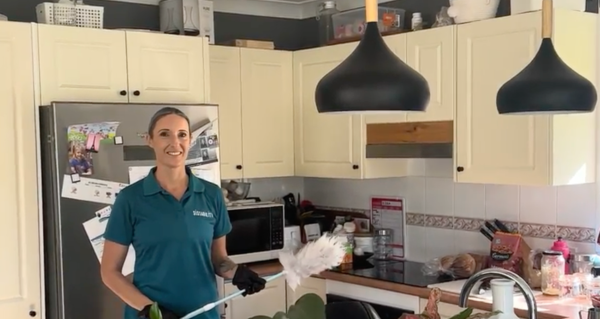
Household jobs are becoming physically difficult. Vacuuming, mopping, changing bed linen or cleaning the bathroom takes much more effort than it used to.
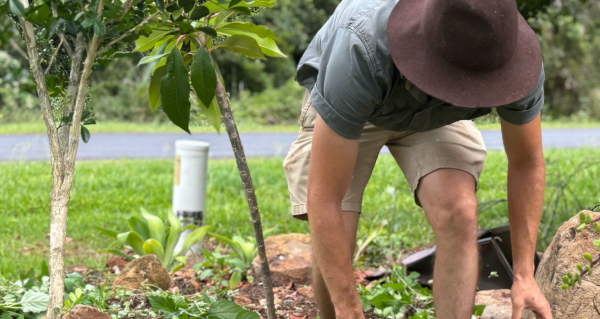
The garden is becoming too much to manage. Lawns, weeds or overgrown paths are getting harder to keep under control.
Some jobs are simply being avoided. Tasks keep getting put off because they're tiring, uncomfortable or difficult.
Family members are doing more and more. Visits increasingly revolve around cleaning, gardening and household jobs rather than spending time together.
There has been a noticeable change at home. The house or garden isn't being maintained in the way it normally would be.
Someone is managing — but only just. Everything is technically getting done, but it's taking a lot of energy to keep it that way.
You don't need to tick every box.
Sometimes the best time to introduce support is when someone is still managing, but a few things are becoming harder.
What can help at home actually look like?
It depends on the person.
For one person, it might be a regular clean every fortnight.
For someone else, it could be help keeping the garden safe and manageable.
Another person might need more practical support around the home or assistance getting out into the community.
Support can include things such as:
regular household cleaning
heavier or seasonal cleaning
lawn mowing and garden maintenance
help with household tasks
practical in-home support
assistance getting out and about in the community.
The important thing is that support should fit around the person — not the other way around.
Start with what matters most
You don't have to introduce several services at once.
Ask: What's the one thing that would make life easier right now?
Maybe it's the shower that's becoming difficult to clean.
Maybe the lawn has become stressful.
Maybe changing the bed is exhausting.
Start there.
A small amount of help with the right task can make a surprisingly big difference.
It can also make support feel less confronting for someone who has always been fiercely independent.
Good support should protect independence
There's an important difference between doing everything for someone and helping them continue doing what they can for themselves.
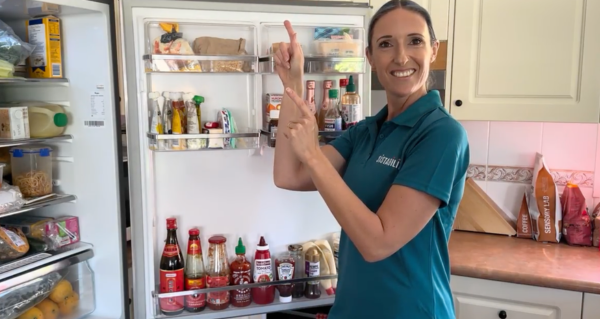
Good support should preserve choice.
If someone still enjoys cooking, gardening or doing their own washing, there's no reason those things need to be taken away simply because they need help with something else.
The goal is to remove some of the physical load, reduce risks around the home and make it easier for the person to use their energy where it matters most.
For many people, a little help at home is not a loss of independence.
It's one of the things that helps protect it.
It can change family relationships too
There can be another benefit that isn't talked about enough.
When an older parent begins needing more help, family visits can slowly turn into a list of jobs.
You arrive and mow the lawn. Clean the bathroom. Change the sheets. Take out rubbish. Fix something that's broken.
Before long, you've spent the whole visit working.
Having practical support in place can allow family to go back to being family.
You can have a cup of tea, go out for lunch, see the grandchildren or simply spend time together without every visit becoming a household maintenance day.
That's valuable too.
What if you're not sure what support is needed?

That's completely normal.
You don't need to know which service you need, how many hours to organise or exactly what the next six months should look like.
Start with what's happening now.
What's becoming difficult? What is the person worried about? What are family members noticing? And what would make everyday life easier?
From there, you can work out the next step.
For people receiving government-funded aged care support, some in-home services may be available through the Support at Home program depending on individual needs, assessment and funding.
You can also arrange services privately if you don't have government funding, are waiting for services to begin or simply want additional help.
Start with a conversation
At Sistability, we support people across the Northern Rivers with practical services that help make staying at home easier.
We're local, and we understand that inviting someone into your home is personal. Our focus is on reliable, respectful support that fits around the individual and what matters to them.
You don't need to wait until things become unmanageable.
And you don't need to organise everything at once.
Sometimes one small bit of help is the best place to start.
👉 Talk to our local team about support at home — call 1300 131 096 or contact us.
Supporting people and families across Ballina, Lennox Head, Alstonville, Wollongbar, Lismore, Byron Bay, Bangalow and surrounding areas.
You might also find helpful
What a home can quietly tell us about how someone's really going — Small changes around the home can sometimes be the first indication that everyday life is becoming harder.
"Mum won't accept help" — how to start the conversation gently — Practical ways to introduce the idea of support without making someone feel like they're losing their independence.