Why ADHD Makes Cleaning a Challenge: The Brain Science Behind It
For many people with ADHD, keeping a home clean can feel like climbing a mountain in bare feet. It’s not a lack of willpower or caring about a tidy space—it’s the way the ADHD brain is wired. Understanding the neuroscience behind these struggles can be the first step toward solutions that work, whether you’re tackling the dust bunnies yourself or calling in professional reinforcements for a specialty or deep clean.
The ADHD Brain and Executive Function
At the heart of ADHD lies a set of challenges known collectively as executive function deficits. Executive functions are the mental skills that help us plan, organise, prioritise and follow through on tasks. Think of them as the brain’s project manager. In ADHD, these systems can be sluggish or inconsistent.
Planning & Prioritising: When faced with a messy room, deciding where to start can be overwhelming. Do you begin with the dishes, the laundry pile or that stack of “urgent” papers?
Task Initiation: Even knowing what to do first doesn’t guarantee you’ll start. Task paralysis—or the feeling of being frozen—often kicks in.
Sustained Attention: Maintaining focus on dull or repetitive chores (like vacuuming under the couch) can feel nearly impossible.
These executive function gaps aren’t about unwillingness—they’re about neurobiology. Strategies that scaffold planning (visual checklists, timers, accountability buddies) can help, but sometimes you need extra hands for the heavy lifting.
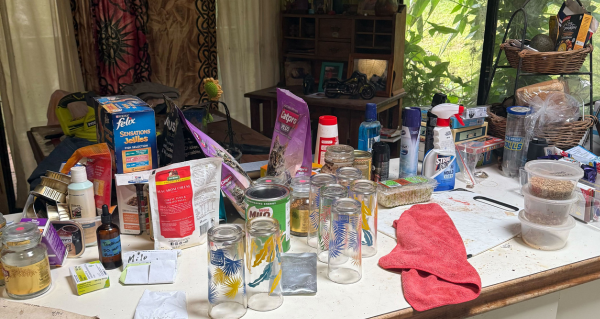
Working Memory & Time Blindness
Another core feature of ADHD is working memory impairment: the ability to hold and manipulate information “in your head.” In a cleaning scenario, you might recall that you need to mop after sweeping, but by the time you’ve finished vacuuming, that to‑do can slip away entirely.
Couple this with time blindness—a distorted sense of how long tasks will take—and even a short chore can balloon into a source of anxiety:
Over‑ or Underestimating Effort: You might set aside ten minutes to tidy the kitchen, only to realise an hour later you’re still sorting through the junk drawer.
Deadline Drift: Without clear time cues, “I’ll do it tomorrow” can become “I’ll do it next week… maybe next month.”
These factors create a feedback loop where chores are perpetually postponed, increasing stress and clutter.
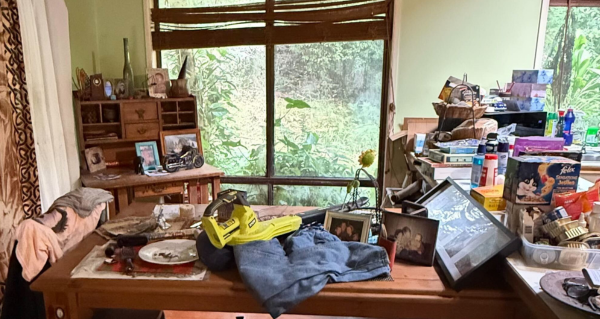
Hyperfocus & All‑or‑Nothing Sweeps
ADHD isn’t only about distraction—many experience hyperfocus, the flip‑side where you become so absorbed in a task that everything else falls away. While hyperfocus can be a superpower for hobbies or work, it can lead to:
Tunnel Vision on One Area: Spending three hours organising stationery, then neglecting the rest of the house.
All‑or‑Nothing Mindset: Binging on a deep clean marathon until exhaustion, followed by days of complete avoidance.
These cycles of intense activity and total shutdown can make home maintenance feel chaotic rather than consistent.
What an ADHD Home Might Look Like
Every home is different, but common features in ADHD households include:
Clutter Hotspots: Tables, counters or floors that collect “stuff” faster than it can be cleared.
Unfinished Projects: A half‑assembled shelf, craft supplies strewn about, or a laundry basket overflowing because the task feels too big.
Emotional Weight: Feelings of shame, guilt or frustration around the mess—sometimes stronger than the discomfort of the clutter itself.
It’s important to note: these are not personal failures but expected patterns given the way attention and motivation work in ADHD.

Why Professional Help Can Make a Difference
Bringing in professional cleaners—especially for deep or specialty cleans—offers several advantages:
Structured Process: Trained teams follow proven systems, tackling the big jobs (skirting boards, oven interiors, grout) that can be mentally taxing to plan and execute.
Physical & Mental Relief: Outsourcing the most overwhelming tasks frees your mental bandwidth for what you enjoy or need to focus on.
Consistency & Follow‑Up: Regularly scheduled visits (fortnightly, monthly or one‑off transition cleans) create external accountability and prevent clutter from snowballing.
‘Eyes and Ears on the Ground’: Our Domestic Care Specialists do more than clean—they spot potential safety or wellbeing concerns, from mould in hidden corners to trip hazards under the bed.
Whether it’s a single blitz before hosting family, a seasonal deep clean to reset your space, or an ongoing service to maintain momentum, professional support turns cleaning from an insurmountable chore into a manageable partnership.
Call to Action
If ADHD makes cleaning feel like a never‑ending uphill battle, you don’t have to go it alone. Our friendly, judgement‑free team specialises in deep cleans, transition cleans and tailored schedules—designed to fit your unique needs and keep your home safe and comfortable.
Ready to reclaim your space? Book your deep clean or chat with us about a personalised cleaning plan today.