Household Condition & Wellbeing: What a home can quietly tell us
When you spend a lot of time in people's homes, you learn that changes in wellbeing don't always announce themselves.
Often, they show up in small ways first.
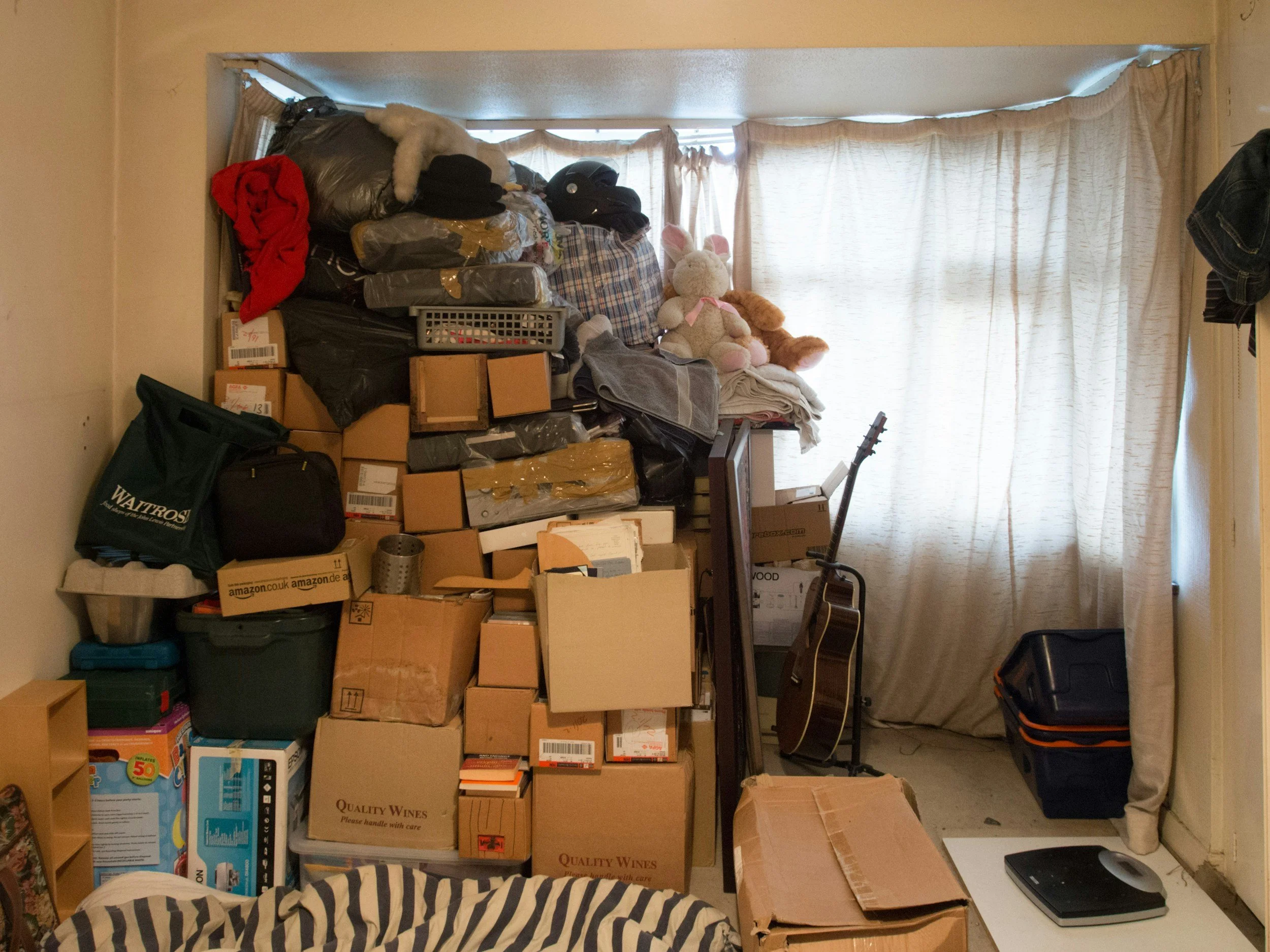
Mail starts piling up. A once-loved garden becomes harder to manage. Laundry isn't getting done as often. There's less food in the fridge. Clutter starts appearing in places that were always kept clear.
On their own, these things may mean very little. But when something changes from what's normal for that person, it can be an early sign that everyday life is becoming a little harder.
At Sistability, we believe noticing these changes is an important part of providing good support.
We're not simply there to complete a task and leave. Because we're regularly in the home, our team can notice when something has changed — and raise concerns early and respectfully.
Why the home can tell us so much
It's easy to say, "I'm fine, don't worry about me" during a phone call or a quick visit.
And often, everything is fine.
But the home can sometimes show changes that aren't obvious in conversation — particularly when family members live further away or don't visit regularly.
It might not mean someone needs a major change in care. Sometimes a little extra help with the cleaning, garden or other household tasks is enough to make everyday life easier and safer.
Changes worth paying attention to
If you're supporting an older parent or loved one, some things to look out for include:
Household tasks falling behind. Dishes, laundry, or general tidying aren't being managed as they normally would be.
Clutter building in walkways. Items gradually accumulating in areas where they could increase the risk of a trip or fall.
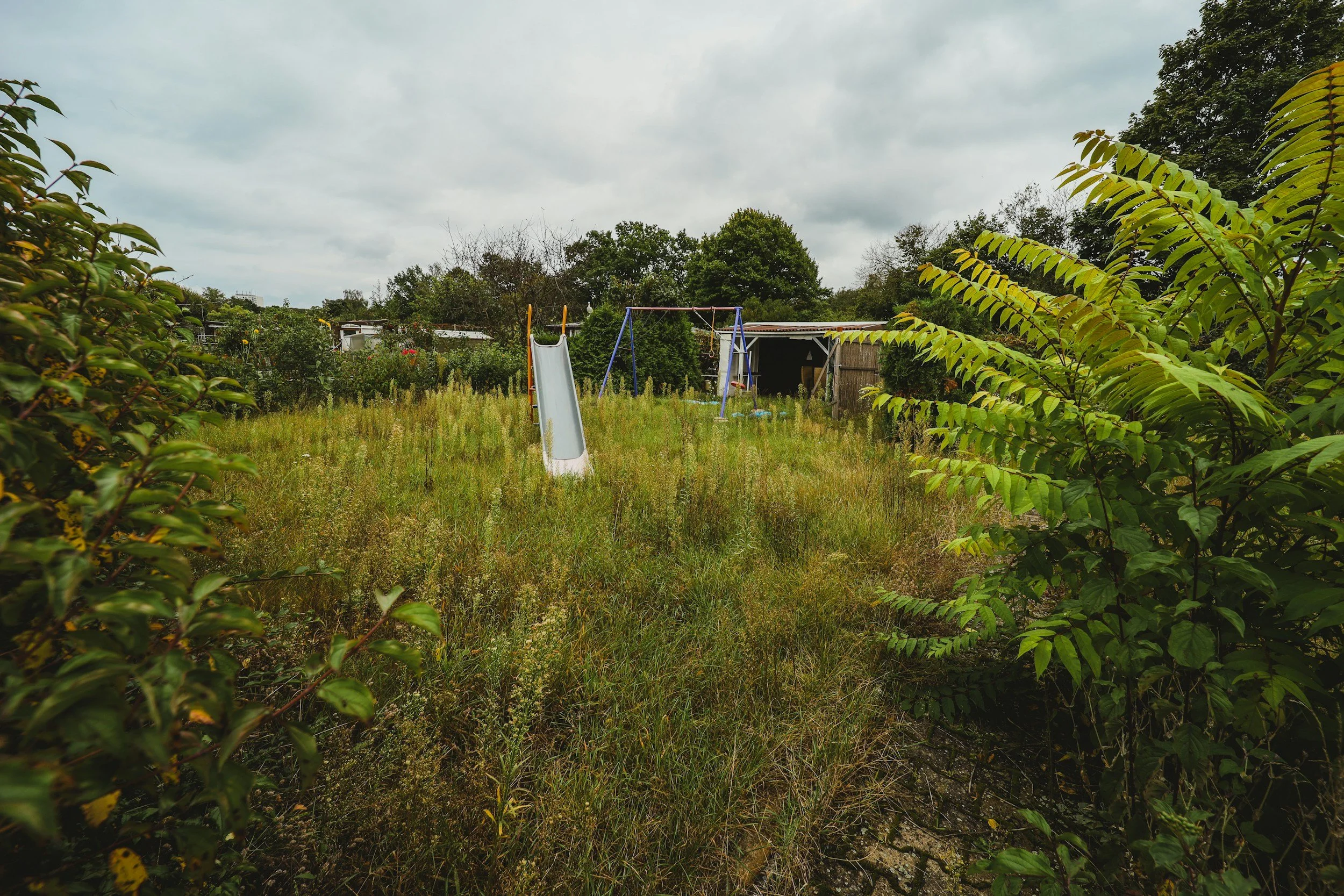
The garden becoming difficult to manage. Overgrowth or paths to the letterbox, clothesline or entrance becoming harder to access.
Changes around food. Very little fresh food; expired food accumulating; cooking becoming noticeably less frequent.
Mail and paperwork piling up. Unopened letters or bills can sometimes indicate that everyday administration is becoming overwhelming.
Changes in normal routines. Someone may seem more tired, withdrawn or less interested in activities they usually enjoy.
None of these automatically mean something is wrong.
What matters most is change — noticing that something is different from what's normal for that person.
Noticing is only part of good support
For us, completing the task is only part of providing good support.
Our team gets to know our regular clients and how they like things done. That consistency also means we're more likely to recognise when something has changed.
If we notice a genuine concern, we can communicate it through the appropriate channels so families, providers or other people involved in someone's support can decide whether anything needs to happen next.
It might be something simple: a walkway becoming unsafe, household tasks becoming increasingly difficult, or a home needing a deeper clean than regular services can provide.
Addressing small issues earlier can sometimes prevent them from becoming much bigger ones.
An extra layer of reassurance for families
For families — particularly those who don't live nearby — regular support can provide reassurance beyond getting the cleaning or gardening done.
Someone familiar is visiting regularly. They know the person and their home. And if something meaningfully changes, there is an opportunity for it to be noticed and communicated.
At Sistability, we utilise Household Condition Reports to help provide a clearer picture of what's happening within the home when a more structured assessment is useful.
It's another way we can help families and care professionals understand what's happening on the ground and identify practical support that may make the home safer and easier to manage.
Helping people stay at home
For many older people, the goal is simple: to keep living safely and independently in the home they know.
A little practical help can make an enormous difference.
Depending on individual circumstances and eligibility, household assistance and other in-home services may be available through the Australian Government's Support at Home program. Private services are also available for people who want to arrange support themselves.
You don't need to wait until things reach crisis point to start the conversation.
Local support from people who know the Northern Rivers
Sistability is a Northern Rivers social enterprise providing practical in-home support to older people, people with disability and local families.
When you contact us, you're speaking with a local team — not a national call centre.
Worried things are changing at home?
Talk to our team about practical support that can help you or someone you love stay safely and independently at home.
👉 Have a chat with our local team — call 1300 131 096 or click here to contact us.
Servicing Ballina, Lennox Head, Alstonville, Wollongbar, Lismore, Byron Bay, Bangalow and surrounding areas.