

Support at Home replaced Home Care Packages in November 2025. This guide walks through eligibility, funding, the eight classifications, and what actually makes coordination work — so you can move forward with confidence, not guesswork.

Suggesting a parent might need a hand at home is one of the hardest conversations families face — especially when they don't think they need it. Here are practical, gentle ways to approach it: starting with independence, offering choices, and beginning far smaller than you might expect.

You can change your Support at Home provider at any time, without losing your funding or facing a new assessment. Here's exactly how the switch works, step by step, from working out what isn't working through to your first day with a new team.

If you're helping a parent navigate Support at Home, the hardest part isn't the caring — it's knowing where to start. This guide walks through how the program works, what your parent actually needs, and the questions that separate a good provider from the rest.

Changes in wellbeing don't always announce themselves — often they show up first in small ways around the home. Here's what to look for when you're supporting an older parent or loved one, and how noticing early can help someone keep living safely and independently at home.
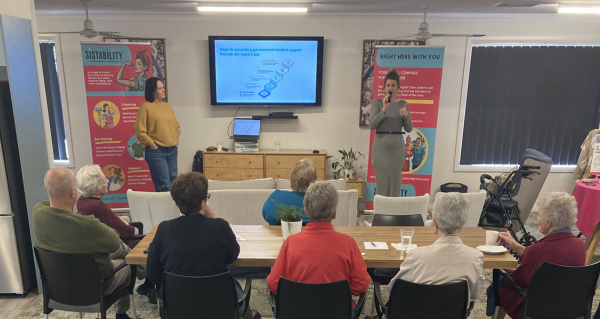
Over the past year, our team has spent time at seniors expos across Ballina, Lismore, and Palm Lakes, talking with people who are just starting to think about aged care support, some for themselves, many on behalf of a parent.
One thing stood out at every event: the same handful of questions came up again and again. So we thought it was worth answering them properly, in one place

Every client comes to Sistability for a different reason. Some are managing an NDIS plan for the first time. Some are helping a parent stay independent at home. Some just need one less thing to worry about in a busy week.
But when we look back through the feedback we've received, a few things come up again and again, not the big, sweeping stuff, but the small details that end up mattering most.
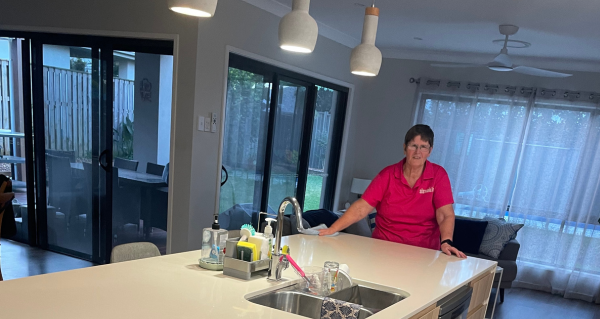
Before a support worker can help with daily routines, before personal care can begin, before any ongoing service can really do its job, the home itself often needs some attention first. A cluttered or unclean environment isn't just unpleasant, it can genuinely get in the way of good care.
This is why, so often, a deep clean isn't just tidying up. It's what makes everything else possible.

Sarah is an NDIS participant who had been living in community housing in the Lismore area. When her safety and wellbeing required her to be urgently relocated, the property she left behind did not stay empty for long.
Squatters moved in. What followed was the kind of damage that is difficult to describe without seeing it firsthand. The residence was left in a state of severe hoarding and squalor, with biohazard contamination throughout. Sarah's belongings, including clothing, personal items, and irreplaceable family mementoes, were buried beneath the debris left behind by people who had no regard for the space or the person it belonged to.

For most older Australians, home is not just a place. It is a lifetime of memories, a sense of independence, and a connection to the community and the people they love. It is where they feel most like themselves.
It is no surprise, then, that when asked where they would prefer to receive care as they age, the overwhelming majority of older Australians say the same thing: at home.
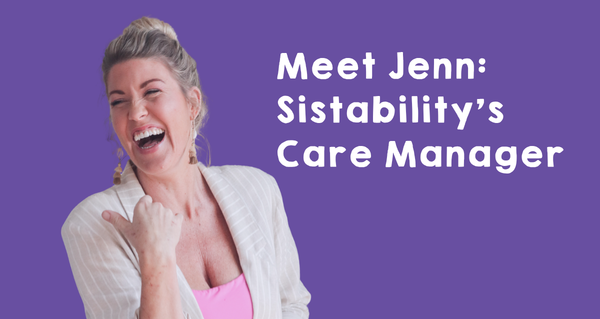
Jenn Robertson has been part of the Sistability team from day one, and in five years, she has become the person that clients, families and colleagues turn to when it matters most.
As Sistability's Care Manager, Jenn brings a background in administration, sales and events to a role that demands all of it. She is organised, personable and knows how to get things done. But more than that, she has become one of the most important people in the organisation, not because of her title, but because of the way she shows up, every single day, for the people who depend on her and for the colleagues who work alongside her.
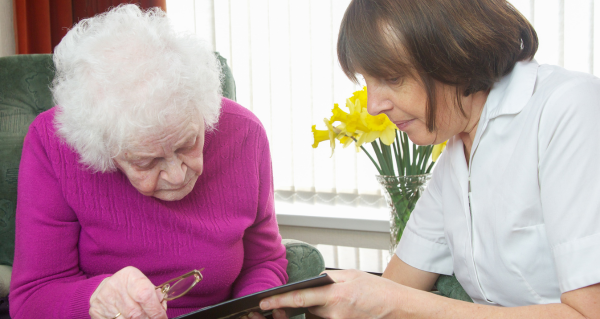
Choosing an aged care provider is one of the most important decisions a family makes. Yet most people go into it with very little information about what to look for or what questions to ask.
The aged care sector is not short of providers. What it is short of is providers who are genuinely transparent, consistently reliable, and whose service quality actually matches what they promise. Asking the right questions upfront can save families a significant amount of stress later.
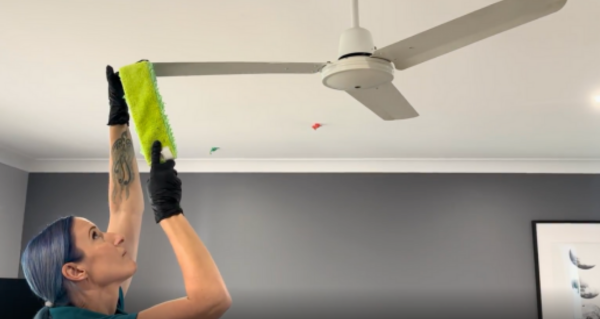
There is something about the shift from winter to spring that makes people want to clear things out. The light changes, the air feels different, and suddenly the state of the house becomes more visible.
In the Northern Rivers, spring arrives early and brings its own particular character. The humidity builds, the garden races ahead, and what might have been manageable through July can look quite different by September. For many households, August is the sweet spot, warm enough to open everything up, but not yet into the heat and storm season that makes big cleaning jobs more demanding.
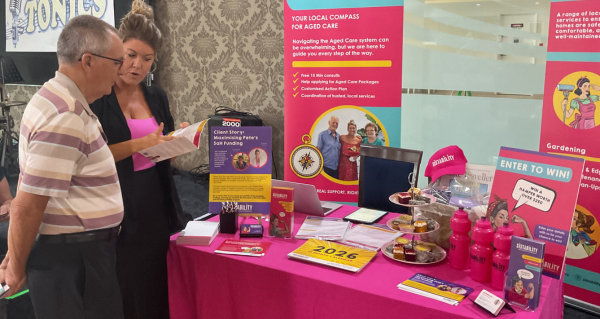
Navigating the aged care system is challenging anywhere in Australia. In a regional area like the Northern Rivers, there are additional layers of complexity that families often do not anticipate until they are already in the middle of trying to sort things out.
This is a practical overview of what families need to know about aged care in our region, from the realities of wait times to what local support actually looks like.
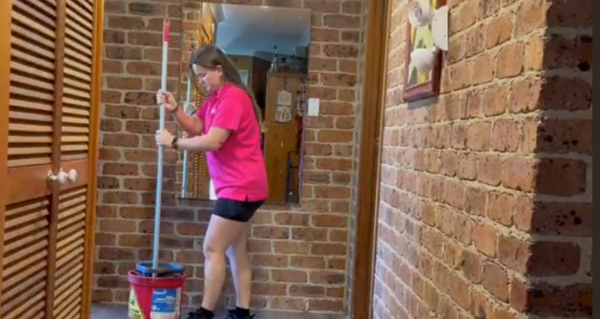
If you have never organised a specialised deep clean before, the process can feel unclear, particularly when the situation is urgent or sensitive. What actually happens when you call? Who turns up and when? What does the job involve and how long does it take?
This is a straightforward guide to what a specialised deep clean with Sistability looks like from start to finish.

If you have started looking into aged care support for yourself or a family member, you have probably come across the term ACAT assessment. For many families, it is one of the first steps in accessing government funded aged care and one of the least understood.
Here is a plain English guide to what an ACAT assessment is, what happens during one, and what comes next.

Sarah is an NDIS participant who had been living in community housing in the Lismore area. When her safety and wellbeing required her to be urgently relocated, the property she left behind did not stay empty for long.
Squatters moved in. What followed was the kind of damage that is difficult to describe without seeing it firsthand. The residence was left in a state of severe hoarding and squalor, with biohazard contamination throughout. Sarah's belongings, including clothing, personal items, and irreplaceable family mementoes, were buried beneath the debris left behind by people who had no regard for the space or the person it belonged to.
Once the occupants were removed, the call came to Sistability.
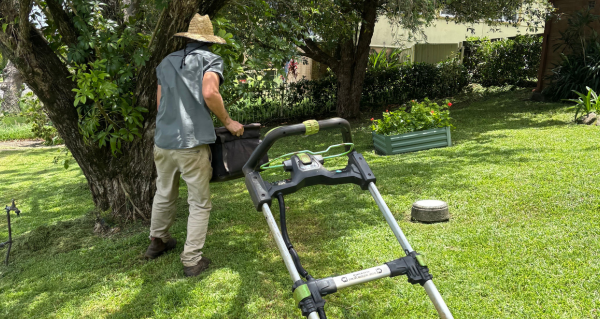
Ask most people what aged care support looks like and they will mention meals, personal care, medication help, maybe cleaning. Gardening rarely comes up. It sits at the bottom of the list, treated as optional extras rather than something that genuinely matters.
However, the more time we spend with our aged care clients, the more we understand what their garden actually means to them.