Navigate the NDIS (National Disability Insurance Scheme) with our Resources

About the National Disability Insurance Scheme (NDIS)
The National Disability Insurance Scheme (NDIS) is a government-funded program in Australia that provides support and services to people with disabilities. The scheme was introduced in 2013 to replace the previous disability support system, which was criticised for being underfunded and inconsistent.
The NDIS is designed to give people with disabilities greater choice and control over the support and services they receive. It aims to provide a flexible, individualised approach to disability support that focuses on the person's goals and aspirations.
Under the NDIS, people with disabilities are assessed based on their individual needs and goals, and they are allocated a budget to cover the cost of their support and services. This budget can be used to pay for a range of disability-related expenses, such as personal care, therapy, equipment, and home modifications.
The NDIS is funded by the Australian government, and it is overseen by the National Disability Insurance Agency (NDIA). The NDIA works with people with disabilities, their families and carers, and disability service providers to ensure that the scheme is meeting the needs of all participants.
Overall, the NDIS represents a significant shift in how disability support is provided in Australia, with a greater emphasis on individual choice and control. It has been welcomed by many people with disabilities and their families as a much-needed reform of the disability support system.
For more information about the NDIS and to see if you might be eligible, click on the links below.
Assistance with ‘Household Tasks’
One of the key areas of support provided under the NDIS is ‘Assistance with Household Tasks’.
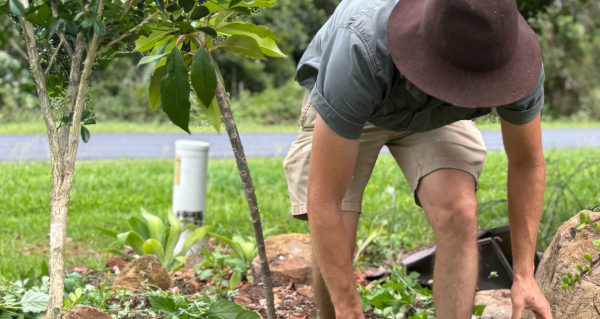
Domestic cleaning, housekeeping, in-home laundry, gardening and house maintenance services are all available to NDIS participants under this support category, as long as the supports are considered reasonable and necessary, and are directly related to your disability.
This means that the support must be related to the person's disability and must be necessary for them to achieve their goals and aspirations.
To receive assistance with household tasks under the NDIS, a person must have an approved NDIS plan that includes this support category.
Sistability provides a range of services that fall under this Core Support category including cleaning and in-home laundry for NDIS participants.
“You can use your NDIS support plan to pay for domestic cleaning services provided by Sistability with no gap. “
Stay In The Know…
Changes in wellbeing don't always announce themselves — often they show up first in small ways around the home. Here's what to look for when you're supporting an older parent or loved one, and how noticing early can help someone keep living safely and independently at home.
There is something about the shift from winter to spring that makes people want to clear things out. The light changes, the air feels different, and suddenly the state of the house becomes more visible.
In the Northern Rivers, spring arrives early and brings its own particular character. The humidity builds, the garden races ahead, and what might have been manageable through July can look quite different by September. For many households, August is the sweet spot, warm enough to open everything up, but not yet into the heat and storm season that makes big cleaning jobs more demanding.
Sarah is an NDIS participant who had been living in community housing in the Lismore area. When her safety and wellbeing required her to be urgently relocated, the property she left behind did not stay empty for long.
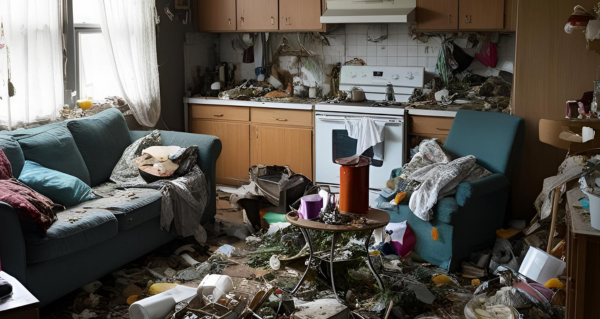
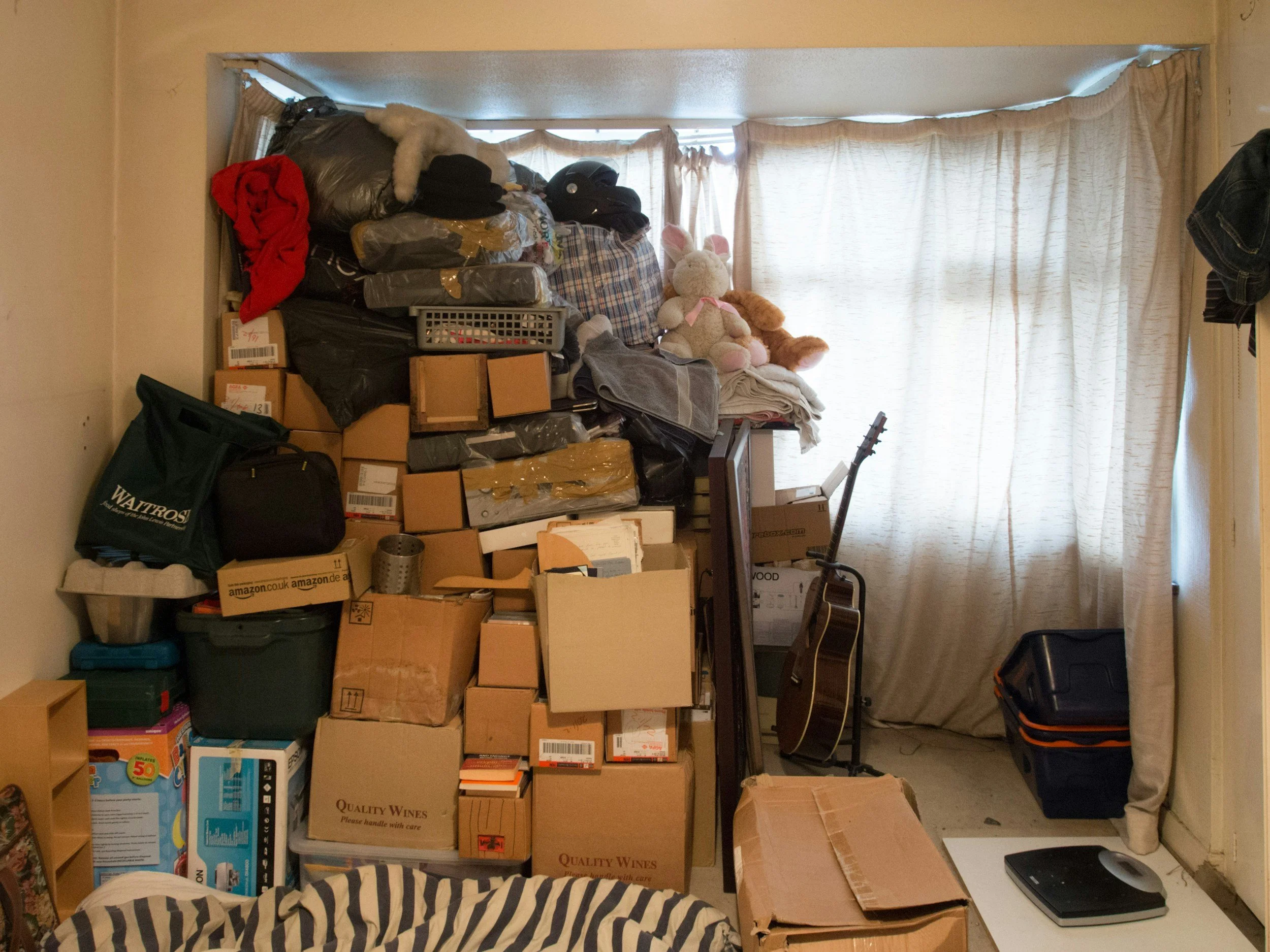
Squatters moved in. What followed was the kind of damage that is difficult to describe without seeing it firsthand. The residence was left in a state of severe hoarding and squalor, with biohazard contamination throughout. Sarah's belongings, including clothing, personal items, and irreplaceable family mementoes, were buried beneath the debris left behind by people who had no regard for the space or the person it belonged to.
Once the occupants were removed, the call came to Sistability.
Biohazard cleaning is the safe removal and decontamination of biological matter that poses a risk to human health. This is specialist work that requires personal protective equipment, industry-approved cleaning agents, strict disposal protocols, and a team trained to manage both the physical environment and the human circumstances surrounding it.
It is intense work, and we do not shy away from that. Our team is trained and experienced in managing these environments…
There is a version of Sistability that could look very different to the one that exists today.
It could be bigger. It could operate across more regions. It could take on more clients, more contracts, more work. The demand is there. The opportunity has been there. And there have been moments where the path to rapid growth was genuinely available to us.
We chose not to take it. Here is why.
If you work in disability support, aged care, community housing, or health services, you will have encountered this situation. A client's home has deteriorated to a point where it is no longer safe or liveable. The environment is affecting their health, their dignity, and their ability to function day to day. A regular clean is not going to fix it. What they need is a specialist.
Knowing who to call and what to expect when you do makes a significant difference in how quickly and smoothly a situation can be resolved. This is a practical guide to referring a client to Sistability for specialised cleaning, and what happens from there.
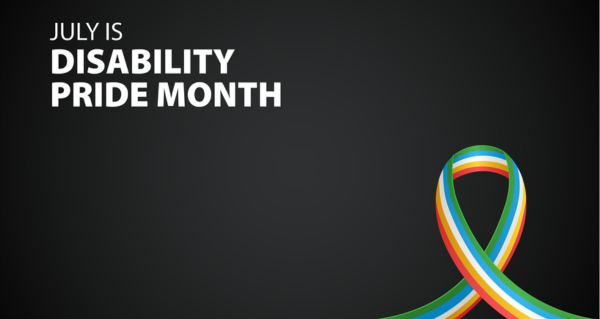
Every July, the disability community and its allies around the world come together to mark Disability Pride Month - a time to celebrate, raise awareness, and advocate for a world that truly includes everyone.
At Sistability, this month holds real meaning for us. Because the work we do every single day is rooted in the same values that Disability Pride Month stands for: dignity, independence, and the belief that every person deserves to live life on their own terms.
When most people think about getting a cleaner, they picture someone coming in to vacuum, mop, and wipe down the surfaces. And sometimes that's exactly what's needed.
But domestic cleaning is not a one-size-fits-all service, and understanding the difference between maintenance cleaning, spring cleaning, and specialised cleaning can help you make sure you're getting the right level of support for your situation.
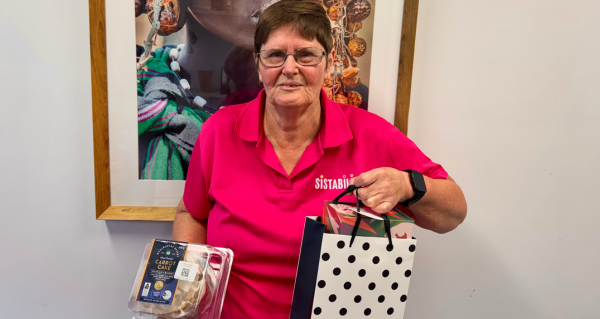
Beryl has been part of the Sistability team for four years. In that time she has built genuine, lasting relationships with her regular clients, the kind that take time and consistency to develop and that make a real difference to the people on the receiving end.
She is the person who steps up when the team needs cover. Who takes on extra shifts without being asked twice. Who shows up reliably, week after week, and brings the same care and attention every time. Her clients know her. They trust her. And that trust does not come from a roster. It comes from Beryl.These are the things we look for when we hire. And they can't be faked in an interview for long.
When we talk about aged care, the conversation almost always centres on the person receiving the care. Their needs, their package, their assessment, their services. And rightly so. But there is another person in this picture who is often overlooked, quietly exhausted, and very rarely asks for help themselves.
The carer.
There are people who come to work, and there are people who show up fully, consistently, with everything they have.
Five years ago, Sistability gained the latter when Nicole joined the team. And if you've had the privilege of working alongside her, or being supported by the organisation she helps shape, you already know exactly what we mean. As our Services Manager, Nicole has been central to ensuring the people we support receive the highest standard of care, each and every day
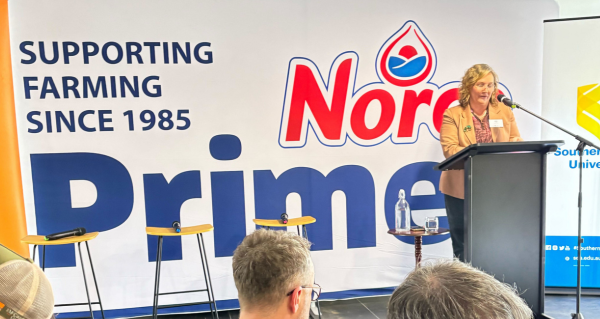
There's something really special about stepping out of the day-to-day rhythm of running a business and sitting down with other regional leaders who get it: the challenges, the wins, the deep sense of purpose that keeps you going. That's exactly what our CEO Jade had the pleasure of experiencing at the Norco Primex Business Leaders Luncheon on Friday 22nd May, held at Norma's Kitchen at the Lismore Showgrounds.
There's a conversation that happens in a lot of families, often quietly and over a long period of time. It's the one where an older parent is clearly finding things harder, where the house isn't quite as tidy as it used to be, where the garden has started to get away, where a son or daughter is beginning to worry. And yet, when the idea of getting some help is raised, the answer is almost always the same.
"I'm fine."
"I don't need anyone coming in here."
"I've been looking after myself for sixty years. I think I can manage."
In summer, doors and windows are open, the house breathes, and life happens mostly outside. By the time autumn arrives, the evidence of a busy summer is everywhere: salt air residue on windows and fly screens, cobwebs in corners and around light fittings, outdoor furniture that has taken a beating, and the general build-up that comes from months of heat and humidity.
Autumn is the natural moment to address all of it. The weather is more comfortable to work in, surfaces dry quickly, and it is far easier to clean a home thoroughly before the evenings start closing in.
There's a shift happening in the way organisations think about spending.
It used to be enough to deliver a good service at a fair price. Increasingly, the organisations we work with, whether councils, not-for-profits, businesses or healthcare providers, are asking a different question. Not just "does this supplier do good work?" but "does working with this supplier do good in the world?" That shift has a name. It's called social procurement.
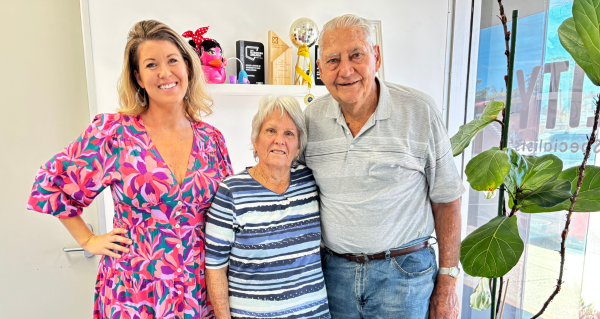
When June and Norman Lane first came to Sistability, they were like many seniors facing the gradual reality that daily life was becoming harder to manage on their own. Both in their 80s, this warm and independent couple had spent decades keeping their home in order, but with mounting health concerns and the quiet accumulation of everyday challenges, tasks like cleaning and gardening were starting to slip beyond their reach.
What made their situation particularly stressful was not just the physical difficulty, it was the overwhelming complexity of the Australian aged care system itself. June and Norman had no idea where to begin. The terminology was unfamiliar, the application process daunting, and the prospect of navigating government assessments felt far beyond what they could take on alone.
At Sistability, we believe everyone deserves to live safely and comfortably in their own home — regardless of age, ability, or circumstance. But not everyone arrives at our door the same way, and that's exactly why we don't offer a one-size-fits-all service.
From older Australians navigating the aged care system for the first time, to NDIS participants needing specialist cleaning support, to veterans who've given so much and deserve reliable help in return — each person we work with has a unique story, unique needs, and a unique pathway to accessing our help.
For support coordinators, choosing the right service providers is a critical part of the role.
It’s not just about organising supports. It’s about ensuring every provider involved is reliable, safe, and genuinely aligned with the needs of the participant.
Because at the end of the day, your reputation is on the line too.
At Sistability, we understand that trust isn’t given lightly. It’s built over time through consistency, communication, and care.
Here’s why support coordinators across the Northern Rivers trust us with their clients.
Inviting someone into your home is a big decision.
For many of our clients, that decision carries even more weight. Whether it’s an older Australian living independently or an NDIS participant receiving support, trust, safety, and consistency are everything.
At Sistability, we understand that we’re not just providing a service—we’re entering someone’s personal space, often at a vulnerable time in their life.
That’s why we take our hiring and vetting process seriously.
Here’s how we ensure every member of our team is someone you can feel safe, comfortable, and confident welcoming into your home.
If you or someone you support is on the NDIS, you might be wondering:
Can my plan cover a deep clean?
The short answer is yes. The NDIS can fund cleaning, including deeper or more intensive cleaning, but only when it meets the criteria of being reasonable and necessary and directly related to a participant’s disability.
This aligns with the NDIS Pricing Arrangements and Price Limits (formerly the NDIS Price Guide and Addenda), which outline what supports can be funded and under which categories.
Here’s what that means in practice.
For many NDIS participants and older Australians, keeping a home clean isn’t just about appearance. It’s about safety, comfort, and being able to live independently.
Regular cleaning plays an important role. But sometimes, before ongoing support can truly make a difference, the home needs a proper reset.
At Sistability, we often find that a deep clean is the best starting point, especially when a home hasn’t had consistent support or when circumstances have changed.
When most people think about cleaning, they picture tidy surfaces, fresh-smelling rooms, and a job well done.
But in aged care and NDIS homes, a good clean is about so much more than presentation.
At Sistability, our domestic care specialists are trained to look beyond the obvious. For many of our clients, we’re one of the only regular visitors in the home. That puts us in a unique position - not just to clean, but to notice subtle changes that could indicate something isn’t quite right.
These are the hidden warning signs our team is trained to look out for.
When our domestic care specialists walk into a client’s home, we’re not just there to clean — we’re there to understand the space, the person, and what support is truly needed.
For many of our NDIS participants and aged care clients, their home environment plays a crucial role in their safety, health, and independence. That’s why the first few moments inside a home are so important.
We’re quietly assessing, observing, and identifying how we can best help — not just today, but ongoing.
Here’s what we’re really looking for.
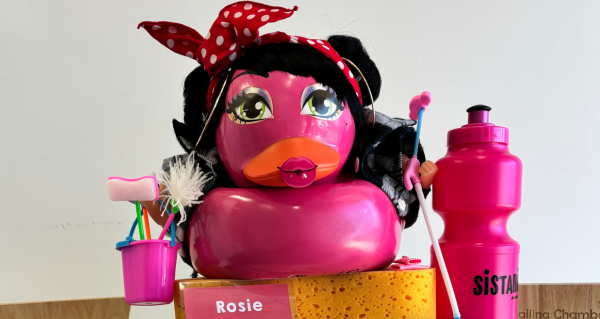
This year at Ballina Duck Fest, Sistability is thrilled to take part in the fun by decorating our very own corporate duck… and we’ve named her Rosie.
But this Rosie is more than just colourful and spirited… she’s a tribute.
Cleaning in a home where someone is ageing or living with disability requires more than good technique. It requires empathy, patience and respect.
Here are practical and respectful cleaning tips for families, support workers and carers who want to maintain a safe, healthy environment while protecting dignity.
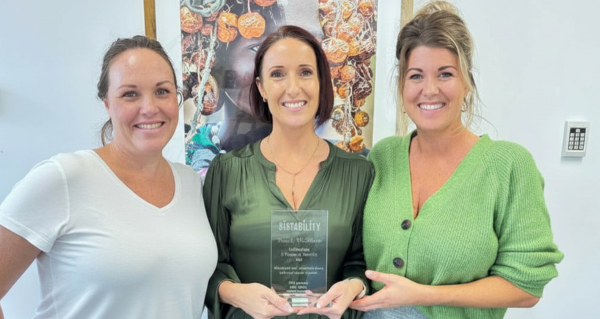
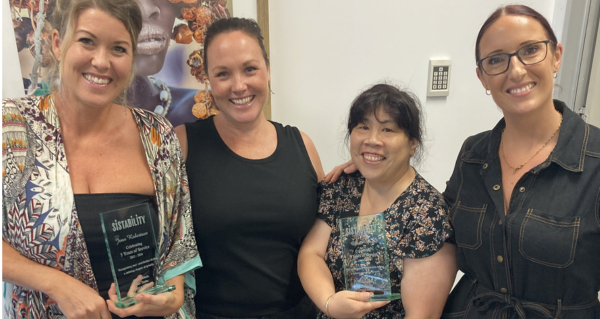
This year, we are incredibly proud to celebrate Olivia and Jenn reaching five years with Sistability, and very soon, our Services Manager Nic will also mark her five-year anniversary. Having three key team members reach this milestone is something we do not take lightly.
On Wednesday, 18 February 2026, Sistability welcomed our community to a relaxed and friendly Hiring Day at the Ballina RSL. It was a wonderful opportunity for people to explore roles in cleaning, gardening and support services with our growing team. This was not your typical job fair.
Choosing the right cleaning or in home support service can feel overwhelming, especially if you are navigating NDIS supports, aged care services or a major life transition. Many people come to us unsure of what help they need, what is included, or whether professional cleaning is the right choice for their situation.
Over the years, these are the most common questions people ask us about professional cleaning services, deep cleaning, NDIS cleaning services and aged care cleaning support. We have answered them clearly and honestly to help you feel informed, confident and supported.
For many people, cleaning is just another household task. But for others, having someone enter their home and touch their belongings, move furniture or open cupboards can feel deeply unsettling.
This is where trauma informed cleaning comes in.
Trauma informed cleaning recognises that a home is not just a physical space. It holds memories, routines, emotions and sometimes experiences of loss, illness, violence or instability. A trauma informed cleaner works with care, consent and empathy, not just efficiency.
For people accessing NDIS cleaning services, aged care cleaning services, or other forms of in home support, the way cleaning is delivered matters just as much as the result.
Summer in Northern NSW brings rapid growth, warm weather, and lush gardens, but it can also make outdoor maintenance feel overwhelming, especially in the heat and humidity.
For older Australians, people living with disability, and those supporting loved ones at home, keeping the garden tidy isn’t about appearances. It’s about safety, access, comfort, and dignity. A well-maintained garden helps people move around more confidently, reduces fall risks, and keeps outdoor spaces enjoyable rather than stressful.
The good news? Keeping your garden tidy during summer doesn’t have to mean heavy gardening or long, exhausting sessions. Here are some simple, realistic ways to manage outdoor spaces during the warmer months, without pushing your body too hard.