

How Staying at Home Longer Supports Better Health Outcomes
For most older Australians, home is not just a place. It is a lifetime of memories, a sense of independence, and a connection to the community and the people they love. It is where they feel most like themselves.
It is no surprise, then, that when asked where they would prefer to receive care as they age, the overwhelming majority of older Australians say the same thing: at home.
The Questions You Should Be Asking Your Aged Care Provider
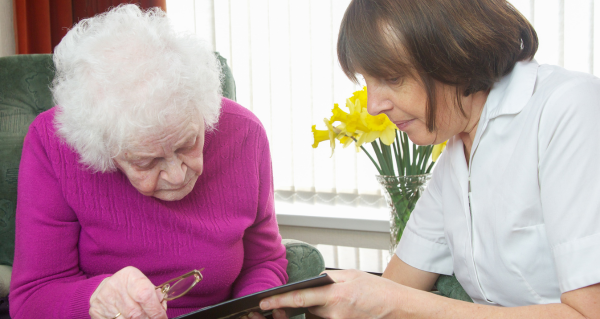
Choosing an aged care provider is one of the most important decisions a family makes. Yet most people go into it with very little information about what to look for or what questions to ask.
The aged care sector is not short of providers. What it is short of is providers who are genuinely transparent, consistently reliable, and whose service quality actually matches what they promise. Asking the right questions upfront can save families a significant amount of stress later.
What Families Need to Know About Aged Care in the Northern Rivers
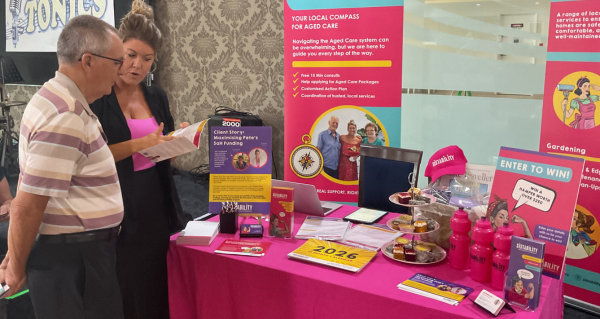
Navigating the aged care system is challenging anywhere in Australia. In a regional area like the Northern Rivers, there are additional layers of complexity that families often do not anticipate until they are already in the middle of trying to sort things out.
This is a practical overview of what families need to know about aged care in our region, from the realities of wait times to what local support actually looks like.
Self-Managed vs Fully Managed Support at Home: Which One Is Right for You?
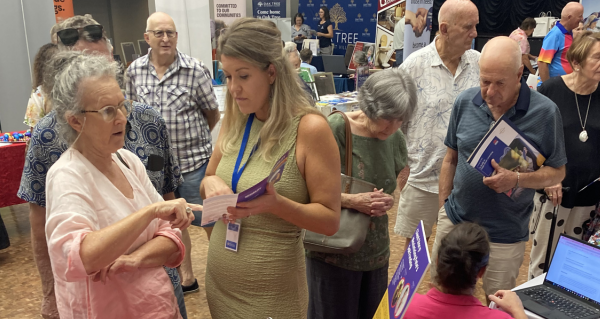
Getting approved for a Support at Home package is a relief. But it comes with a decision most families are not expecting: do you manage the package yourself, or hand that responsibility to a provider?
It sounds like a small administrative detail. It is not. How your package is managed affects who delivers your care, how much of your funding reaches you, and how much of your own time and energy goes into keeping it all running.
Here is an honest look at both options.

A Day in the Life: How Ella Helps John Live Well at Home
Not all support looks the same. For John, it looks like a trip to the shops, a lesson on his new phone, lunch out somewhere nice, and someone who genuinely enjoys his company. Twice a week, that someone is Ella.
Social support is one of the most underappreciated parts of aged care. It is not clinical. It is not complicated. But it matters enormously - because isolation, loss of independence, and the quiet accumulation of tasks that have become too hard are some of the biggest risks to the health and wellbeing of older Australians living alone.
Connecting with Ballina's Seniors: Our Team at the Ballina Retirement Living & Senior Lifestyle Expo
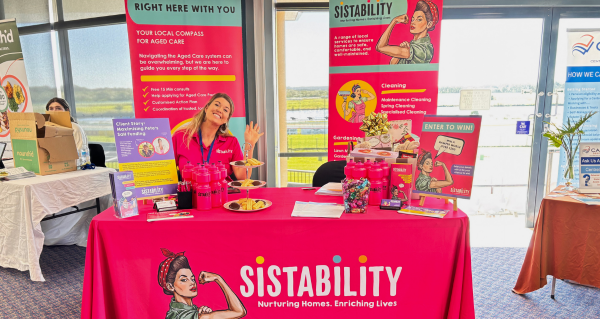
Earlier this month, our team had the pleasure of attending the Ballina Retirement Living & Senior Lifestyle Expo, held at the beautiful Ballina Jockey Club on Racecourse Road. It was a wonderful morning filled with genuine conversations, warm connections, and the chance to help local seniors and their families understand the support available to them.
Our Aged Care Manager Jenn and CEO Jade were on the ground from 10am, ready to chat with the Ballina community about navigating the aged care system and how our services can make life at home easier, more comfortable, and more independent.

We Can Do It: The Story Behind Our Rosie and What She Means to Everything We Do
When we talk about aged care, the conversation almost always centres on the person receiving the care. Their needs, their package, their assessment, their services. And rightly so. But there is another person in this picture who is often overlooked, quietly exhausted, and very rarely asks for help themselves.
The carer.
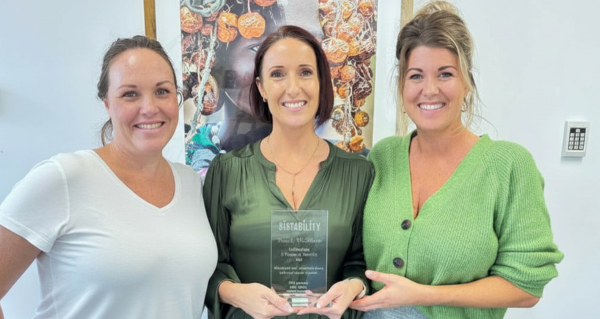
Five Years of Nicole: The Heart Behind Sistability
There are people who come to work, and there are people who show up fully, consistently, with everything they have.
Five years ago, Sistability gained the latter when Nicole joined the team. And if you've had the privilege of working alongside her, or being supported by the organisation she helps shape, you already know exactly what we mean. As our Services Manager, Nicole has been central to ensuring the people we support receive the highest standard of care, each and every day
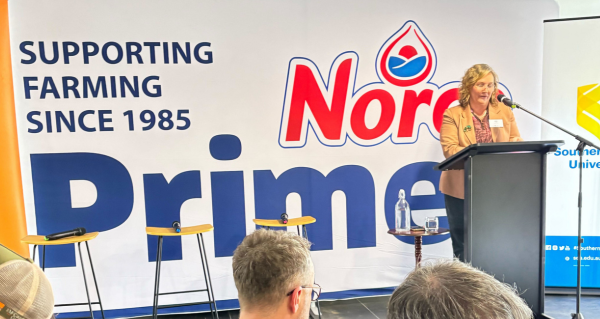
Connecting, Learning and Growing: Our CEO at the Norco Primex Business Leaders Luncheon
There's something really special about stepping out of the day-to-day rhythm of running a business and sitting down with other regional leaders who get it: the challenges, the wins, the deep sense of purpose that keeps you going. That's exactly what our CEO Jade had the pleasure of experiencing at the Norco Primex Business Leaders Luncheon on Friday 22nd May, held at Norma's Kitchen at the Lismore Showgrounds.

The Emotional Side of Accepting Help at Home and Why It's Okay
There's a conversation that happens in a lot of families, often quietly and over a long period of time. It's the one where an older parent is clearly finding things harder, where the house isn't quite as tidy as it used to be, where the garden has started to get away, where a son or daughter is beginning to worry. And yet, when the idea of getting some help is raised, the answer is almost always the same.
"I'm fine."
"I don't need anyone coming in here."
"I've been looking after myself for sixty years. I think I can manage."

Why Autumn is a Great Time to Deep Clean Your Home
In summer, doors and windows are open, the house breathes, and life happens mostly outside. By the time autumn arrives, the evidence of a busy summer is everywhere: salt air residue on windows and fly screens, cobwebs in corners and around light fittings, outdoor furniture that has taken a beating, and the general build-up that comes from months of heat and humidity.
Autumn is the natural moment to address all of it. The weather is more comfortable to work in, surfaces dry quickly, and it is far easier to clean a home thoroughly before the evenings start closing in.

Social Procurement: How Working with Sistability Creates Real Community Impact
There's a shift happening in the way organisations think about spending.
It used to be enough to deliver a good service at a fair price. Increasingly, the organisations we work with, whether councils, not-for-profits, businesses or healthcare providers, are asking a different question. Not just "does this supplier do good work?" but "does working with this supplier do good in the world?" That shift has a name. It's called social procurement.
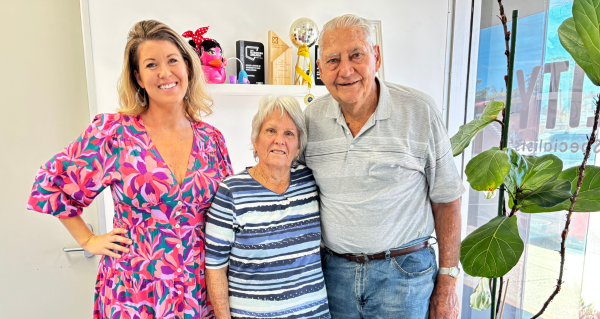
June & Norman - From Overwhelmed to Supported: A Journey through the Aged Care System
When June and Norman Lane first came to Sistability, they were like many seniors facing the gradual reality that daily life was becoming harder to manage on their own. Both in their 80s, this warm and independent couple had spent decades keeping their home in order, but with mounting health concerns and the quiet accumulation of everyday challenges, tasks like cleaning and gardening were starting to slip beyond their reach.
What made their situation particularly stressful was not just the physical difficulty, it was the overwhelming complexity of the Australian aged care system itself. June and Norman had no idea where to begin. The terminology was unfamiliar, the application process daunting, and the prospect of navigating government assessments felt far beyond what they could take on alone.
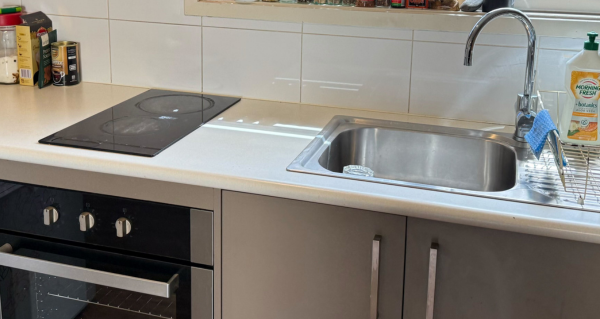
How a Clean Home Reduces Falls and Hospital Readmissions
Every year, falls send millions of older Australians to emergency rooms. Many of those falls happen not on footpaths or slippery staircases outside, they happen at home, in the very place that should feel safest. And for patients who have recently left hospital, a fall at home doesn't just mean pain. It often means going straight back through those same hospital doors.
The connection between a clean, well-organised home and better health outcomes is stronger than most people realise. Here's what the evidence shows, and what families and carers can do about it.
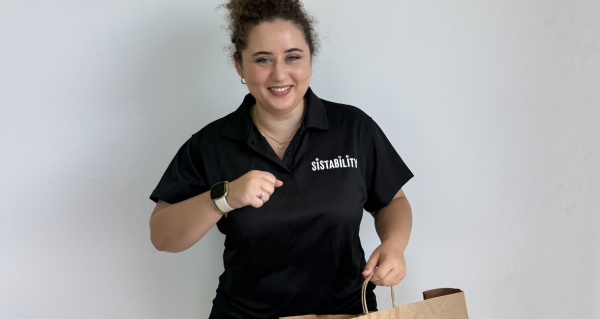
What Is Social Support and How Can It Help You or a Loved One Stay Connected?
When most people think about in-home support, they think about cleaning, gardening or help with personal care. These are all important. But there's another type of support that often gets overlooked and for many older Australians, it can make just as much difference to their quality of life.
It's called social support. And if you or someone you love is spending more time at home alone, it might be exactly what's needed.

Balancing Care and Life: Tips for Family Caregivers
Caring for a loved one is one of the most meaningful things you can do.
But it can also be one of the most overwhelming.
For many family caregivers, the role doesn’t come with a manual. It often starts gradually - helping with a few tasks here and there, and before long, it becomes a significant part of daily life.
Balancing care with work, family, and your own wellbeing can feel like a constant juggle. And while it’s driven by love, it’s important to recognise that you can’t pour from an empty cup.
Here are some practical and supportive tips to help you care for your loved one, without losing yourself in the process.
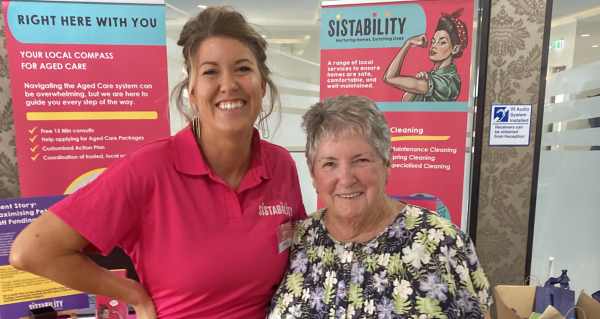
How to Get Started with My Aged Care (Without the Overwhelm)
If you’re starting to think about aged care support for yourself or a loved one, you’re not alone.
For many families, the process begins with a simple question:
“Where do we even start?”
Between government websites, assessments, waitlists, and unfamiliar terms, My Aged Care can feel overwhelming at first. But the good news is, once you understand the steps, it becomes much more manageable.
Here’s a simple, clear guide to help you get started with confidence.

When Does a Home Need a Deep Clean? 6 Signs to Look For.
For many NDIS participants and older Australians, keeping a home clean isn’t just about appearance. It’s about safety, comfort, and being able to live independently.
Regular cleaning plays an important role. But sometimes, before ongoing support can truly make a difference, the home needs a proper reset.
At Sistability, we often find that a deep clean is the best starting point, especially when a home hasn’t had consistent support or when circumstances have changed.
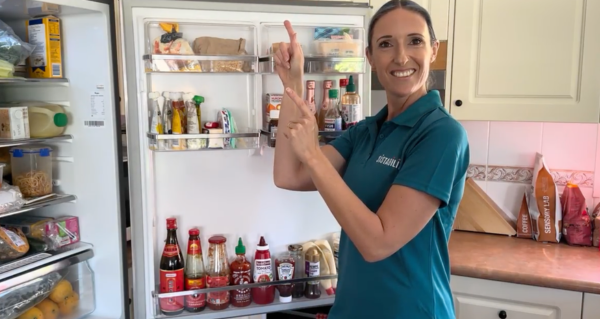
Hidden Warning Signs Our Cleaners Are Trained to Spot in Aged Care and NDIS Homes
When most people think about cleaning, they picture tidy surfaces, fresh-smelling rooms, and a job well done.
But in aged care and NDIS homes, a good clean is about so much more than presentation.
At Sistability, our domestic care specialists are trained to look beyond the obvious. For many of our clients, we’re one of the only regular visitors in the home. That puts us in a unique position - not just to clean, but to notice subtle changes that could indicate something isn’t quite right.
These are the hidden warning signs our team is trained to look out for.

Why CHSP Is a Starting Point, Not a Long-Term Solution
For many older Australians, the Commonwealth Home Support Programme (better known as CHSP) is their first experience with funded home care. It's a welcome lifeline. Help with the housework, a hand in the garden, maybe some transport to a medical appointment. For a while, it feels like enough.
But here's the reality that families and carers run into almost immediately: even when you're approved for CHSP, finding a provider who can actually take you on is a different challenge entirely.